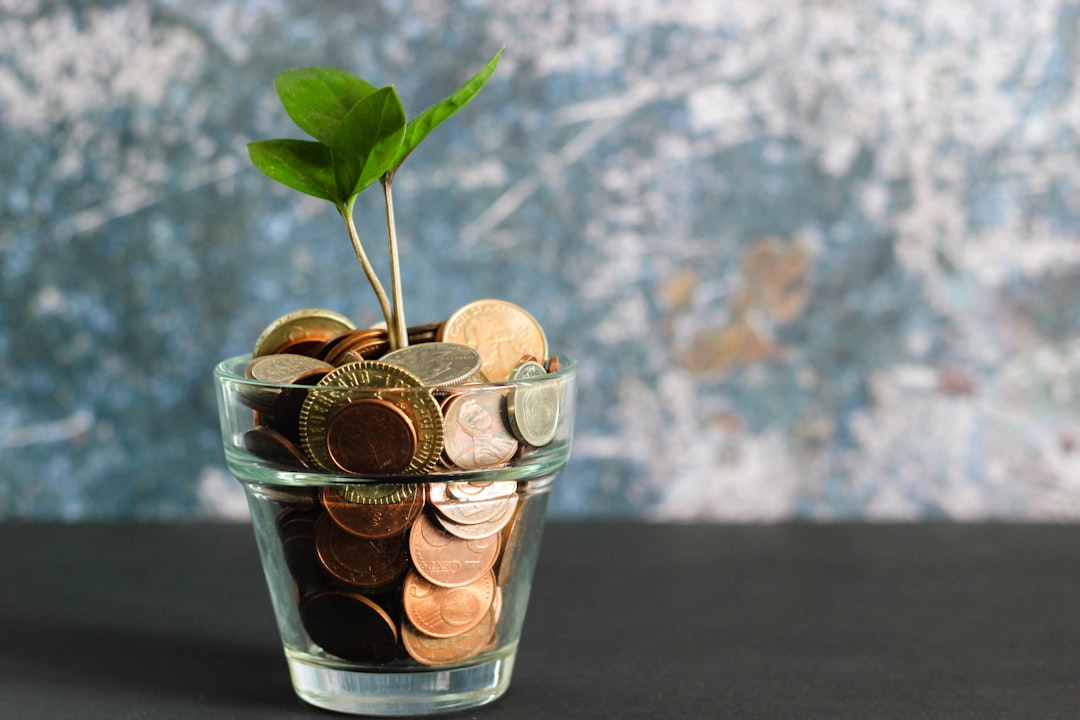
Most people approach wealth building with the wrong mental model. They search for the perfect investment, the big opportunity, or the secret strategy that will transform their finances overnight. However, neuroscience and behavioral psychology reveal a fundamentally different truth: wealth is built through the accumulation of small, consistent actions that rewire our brains for financial success.
The Neuroscience of Habit Formation
Our brains are designed to conserve energy. Every conscious decision requires significant neural resources, which is why decision fatigue is a real phenomenon. When we rely on willpower and intense effort for financial decisions, we're fighting against millions of years of evolutionary programming.
The basal ganglia, a region deep within the brain, specializes in pattern recognition and habit formation. When we repeat an action consistently, neural pathways strengthen through a process called myelination. These strengthened pathways allow behaviors to become automatic, requiring minimal conscious effort or willpower.
This is why habitual savers rarely struggle with saving money. Their brains have automated the process, eliminating the internal conflict that occasional savers experience with every decision. The act of transferring money to savings becomes as automatic as brushing teeth or locking the door when leaving home.
The Compound Effect of Small Financial Decisions
Consider two individuals: Person A makes dramatic financial moves irregularly, saving $5,000 once or twice a year when motivated. Person B automatically saves $500 monthly without thinking about it. Over time, Person B accumulates significantly more wealth, not just because of the mathematical advantage of regular contributions, but because their brain has eliminated the friction of decision-making.
Person A faces decision fatigue, emotional resistance, and competing priorities every time they consider saving. Person B has outsourced the decision to their automated neural pathways. The energy Person A wastes on financial decisions can be redirected to income generation, skill development, or other productive activities.
Why Intensity Fails and Consistency Wins
Intense bursts of financial activity trigger the brain's stress response. When we dramatically cut spending, invest large sums, or make major financial changes, our amygdala interprets these as threats to stability. This activates stress hormones that undermine long-term adherence.
In contrast, small consistent actions don't trigger threat responses. A $50 automatic transfer feels negligible to our threat-detection systems, even though it compounds to $600 annually and potentially millions over a lifetime when invested properly.
Dopamine and Financial Feedback Loops
The neurotransmitter dopamine plays a crucial role in motivation and reward. Traditional approaches to wealth building provide delayed gratification, with rewards potentially decades away. This temporal distance weakens dopamine's motivating power.
Successful habit formation requires engineering frequent small wins that trigger dopamine release. This could be checking a savings balance that grows weekly, watching an investment portfolio update with contributions, or crossing off financial tasks on a checklist.
These micro-rewards create positive feedback loops. Each small win reinforces the behavior, strengthening neural pathways and making the habit more automatic. Over months and years, these reinforced pathways become highways in the brain, making wealth-building behaviors feel effortless and natural.
The Role of Environmental Design
Neuroscience research demonstrates that our environment shapes behavior more powerfully than willpower. The human brain is designed to respond to cues in the environment, automatically triggering associated behaviors.
This is why environmental design is crucial for financial success. Automatic transfers remove the environmental cue that might trigger spending. Deleting shopping apps eliminates impulse purchase cues. Reviewing financial goals every morning creates a cue-behavior loop that reinforces wealth-building identity.
Practical Applications of Habit Science
Understanding the neuroscience of habits allows us to engineer financial success systematically. Here's how to apply these principles:
Start Impossibly Small: Begin with contributions so small they feel trivial. A $10 weekly transfer doesn't trigger resistance but establishes the neural pathway. Once automatic, gradually increase the amount. The pathway is already built; you're just increasing the flow.
Stack Financial Habits: Link new financial behaviors to existing strong habits. Review investments while drinking morning coffee. Check savings after brushing teeth. The existing habit serves as a reliable cue for the new behavior.
Create Immediate Rewards: Engineer dopamine hits by celebrating small milestones. Every $100 saved, every debt payment, every financial goal met deserves acknowledgment. These celebrations strengthen the neural pathways associating financial behaviors with positive feelings.
Automate Ruthlessly: Every automated financial behavior is a habit you never have to consciously form. Automatic contributions, bill payments, and portfolio rebalancing eliminate hundreds of decisions annually, conserving willpower for other life domains.
The Timeline of Habit Formation
Popular culture suggests habits form in 21 days, but research reveals a more nuanced reality. Simple habits may solidify in weeks, while complex financial behaviors can require 60-90 days of consistent repetition before becoming truly automatic.
The key is consistency during this formation period. Missing a single day doesn't destroy progress, but frequent inconsistency prevents the neural myelination that makes behaviors automatic. This is why starting small is crucial—maintaining consistency with a $10 contribution is easier than with a $500 contribution.
Breaking Bad Financial Habits
The same neurological mechanisms that build wealth-generating habits can create wealth-destroying patterns. Impulse spending, checking account balances obsessively, or panic-selling during market volatility become ingrained neural pathways through repetition.
Breaking these patterns requires more than willpower. Neuroscience suggests focusing on replacement rather than elimination. Instead of trying to stop impulse spending, create a competing habit of waiting 48 hours before purchases. The old neural pathway weakens from disuse while the new pathway strengthens.
The Long-Term Advantage of Habitual Wealth Building
After six months to a year of consistent financial behaviors, something remarkable happens. The behaviors require virtually no conscious effort. Saving money, avoiding debt, and investing regularly feel as natural as breathing.
At this point, you've gained an enormous advantage over those still relying on motivation and willpower. While others experience constant internal conflict around money, your automatic systems handle wealth building in the background, allowing you to focus on income generation, personal development, and life enjoyment.
This automation effect explains why many wealthy individuals report that building their first million was harder than subsequent millions. Once wealth-building habits are deeply ingrained, the process becomes exponentially easier, not just because of compound returns but because of habitual automation.
Conclusion: Engineering Your Financial Brain
The most powerful insight from neuroscience is that financial success is less about intelligence, willpower, or opportunity, and more about engineering the right habits. Your brain is an incredibly powerful tool that will work for or against you depending on the neural pathways you build.
By understanding how habits form, leveraging dopamine feedback loops, designing supportive environments, and starting with impossibly small actions, you can harness your brain's natural mechanisms to build lasting wealth. The question isn't whether you can develop wealth-building habits, but whether you'll apply the science to do so systematically and consistently.
Start today with one small financial habit. Make it automatic. Let neuroscience do the heavy lifting. Your future self will thank you for the neural pathways you're building right now.